Images attached to observations are evidence the observer provides to the community for evaluation. They should include evidence of the actual organism (or trace of an organism) at the time of the observation, observed by the user who is uploading the observation.
Because images and sounds are evidence that may be used for research or conservation, they should accurately reflect the organism and the scene.
It's often difficult to get sharp and detailed photos of small creatures, or faraway birds, and it's tempting to ask a a generative artificial intelligence (AI) model like Gemini, ChatGPT, or Claude to "improve" your photo before you post it to iNaturalist. Unfortunately, the result is an image that is not an accurate representation of the organism and scene, and is not acceptable on iNaturalist.
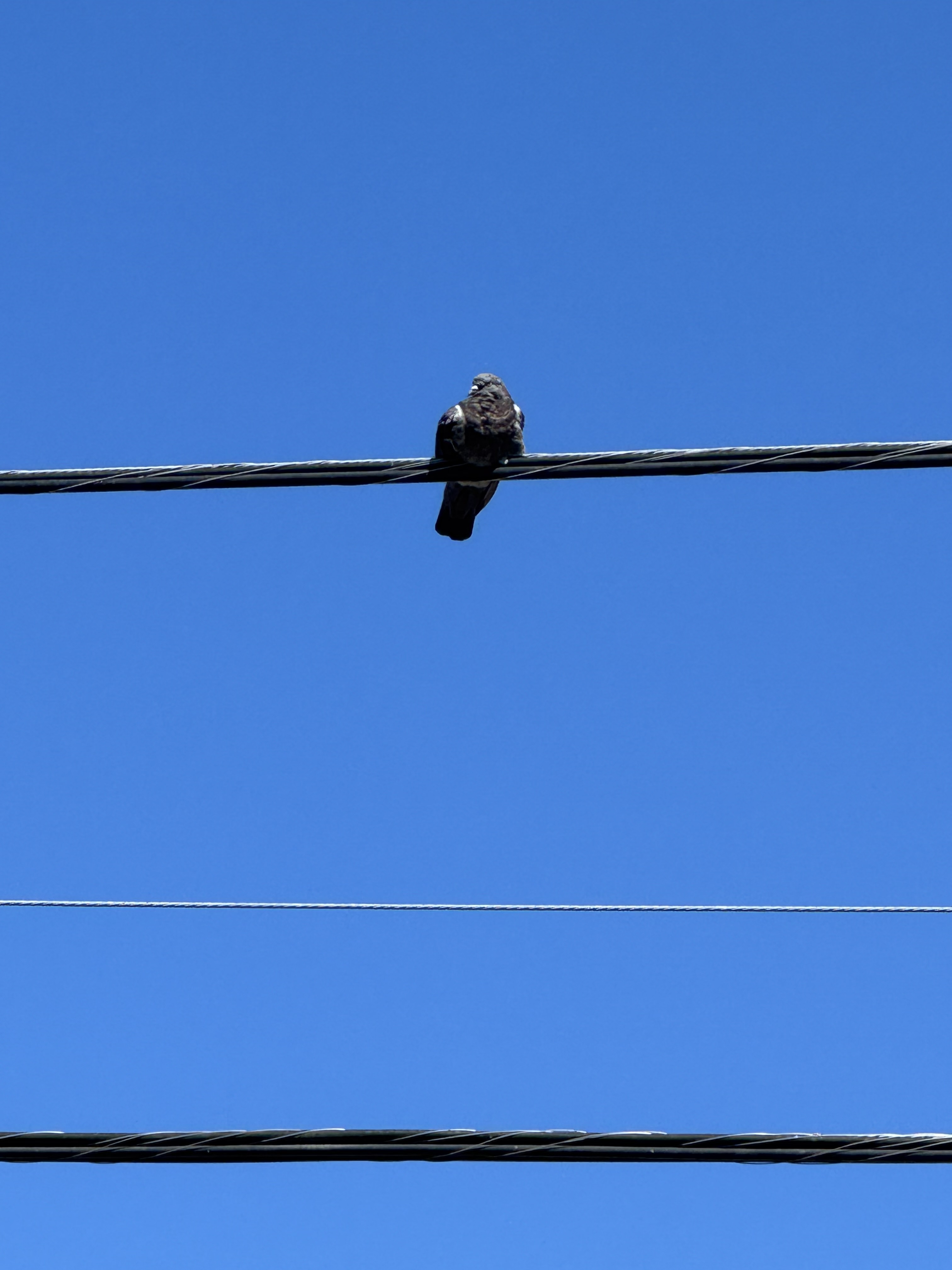
For example here's a faraway photo of a bird, which was difficult to photograph:
The photo was then submitted to Google's Gemini model, and the model was prompted with "please improve this bird photo." This is the resulting image:
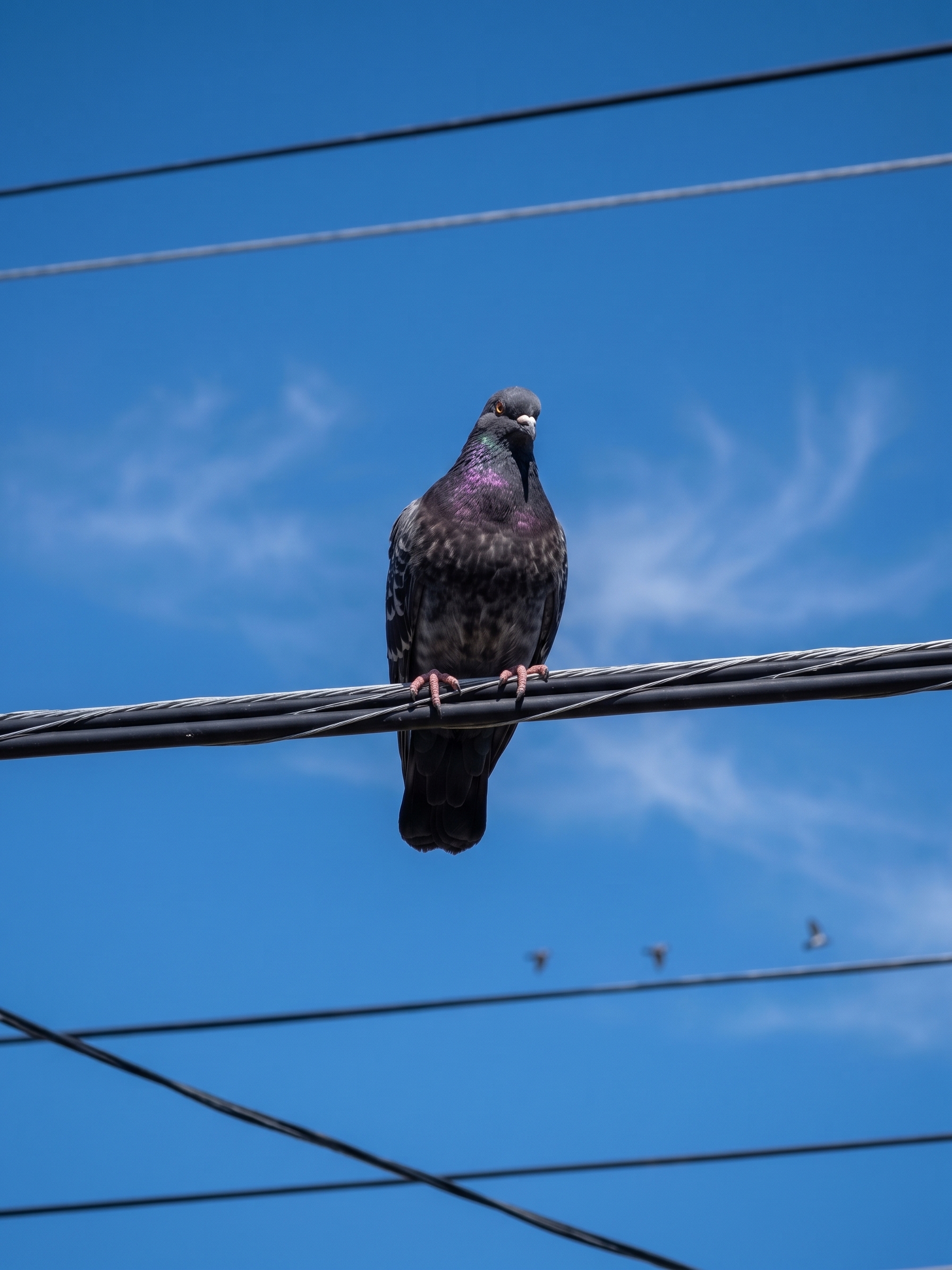
While the image is now sharper, and the bird larger in the frame, the AI model has added features like purple coloration to the bird's throat, and light mottling to its breast and belly, which are not viewable in the original photo. It has also completely changed the sky, adding clouds and other birds in the background, as well as power lines that were not in the original photograph. This is not an accurate depiction of the organism or the scene, and is not acceptable on iNaturalist.
Observations with photos that are artificially generated or enhanced like this will become "casual" grade on iNaturalist when flagged by other users. Accounts that continue to post artificially generated images after being warned will be temporarily suspended. If you still have the original photos, it's fine to remove the AI-enhanced ones and add the originals to the observation.
It's OK to post a photo that might be a bit blurry, or isn't pretty. Remember that photos are evidence on iNaturalist, and not necessarily aesthetic objects, and do the best you can. Here's a list of acceptable photo editing practices on iNaturalist.
See more about concerns with AI-enhanced or generated images in scientific databases in this Nature publication.
Was this article helpful?
That’s Great!
Thank you for your feedback
Sorry! We couldn't be helpful
Thank you for your feedback
Feedback sent
We appreciate your effort and will try to fix the article